Vietnam boasts extraordinary natural diversity. From dramatic mountain ranges and ancient forests to emerald bays and limestone karsts rising from the sea, the country offers landscapes of remarkable beauty and global significance.
Along its iconic S-shaped coastline, nature has shaped environments that reflect millions of years of geological evolution. As a result, Vietnam is home to several destinations of outstanding universal value. Furthermore, among these treasures, UNESCO recognizes three locations as World Natural Heritage Sites. These sites represent exceptional natural beauty, geological importance, and irreplaceable ecosystems.
Therefore, together with Viet Sails Boutique Cruise, let us explore the Top 3 UNESCO World Natural Heritage Sites in Vietnam. Each destination showcases natural wonders shaped by time, water, and a deep harmony between nature and humanity.
UNESCO, the United Nations Educational, Scientific and Cultural Organization, works to identify, protect, and preserve cultural and natural heritage of outstanding value to humanity.
To qualify as a World Natural Heritage Site, a destination must meet strict criteria. For example, it must demonstrate exceptional natural beauty, geological or geomorphological significance, and high biodiversity. In addition, the site must play an important role in global conservation.
Consequently, UNESCO recognition is not merely an honor. Instead, it represents a long-term international commitment to preservation, responsible management, and sustainable tourism development.

Vietnam stands out in Southeast Asia for its rich natural heritage. The country features diverse terrain, varied climate zones, and complex ecological systems. As a result, UNESCO-listed natural sites in Vietnam serve multiple purposes:
Overall, what unites these destinations is their authenticity, scientific value, and strong potential for sustainable travel experiences. Specifically, visitors do not simply observe nature—they learn to understand and respect it.

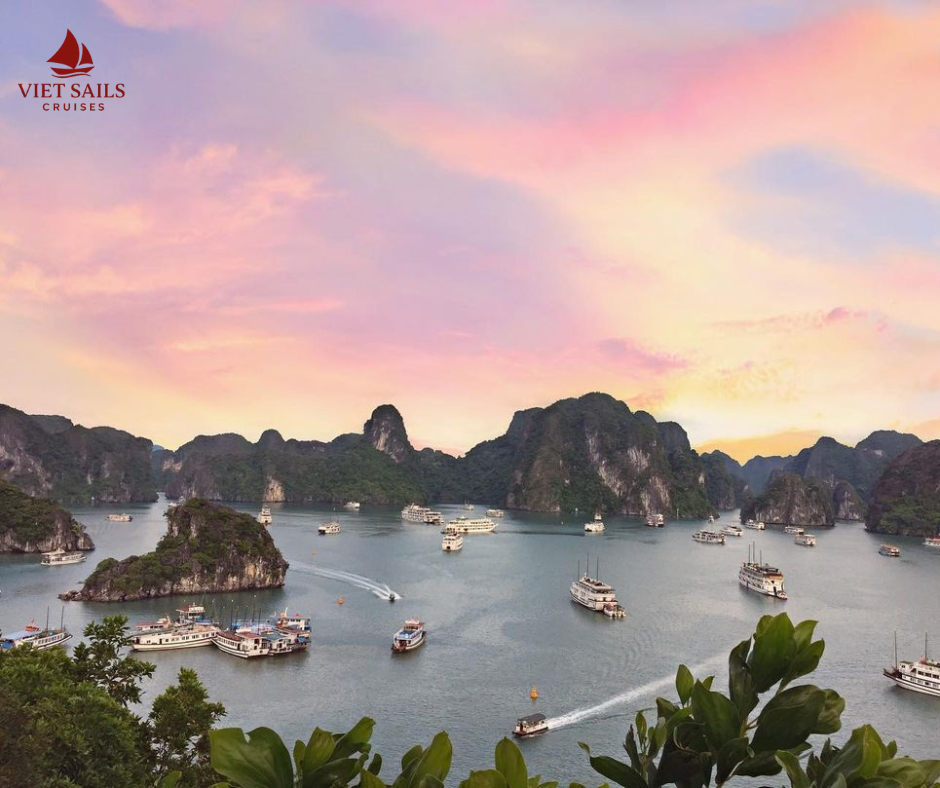
UNESCO first recognized Ha Long Bay as a World Natural Heritage Site in 1994. Later, in 2000, the organization expanded its recognition to include additional geological values. Today, this destination remains Vietnam’s most iconic natural heritage destination.
The bay features more than 1,600 limestone islands and islets. Moreover, over millions of years, geological processes sculpted these formations into a dramatic seascape. Beyond its visual appeal, Ha Long Bay offers:
In addition, in 2023, UNESCO officially recognized the Ha Long Bay – Cat Ba Archipelago as a new World Natural Heritage Site. Consequently, the area now moves toward refined, low-impact tourism. Boutique cruises now focus on quieter routes, offering more meaningful ways to experience this world-renowned seascape.
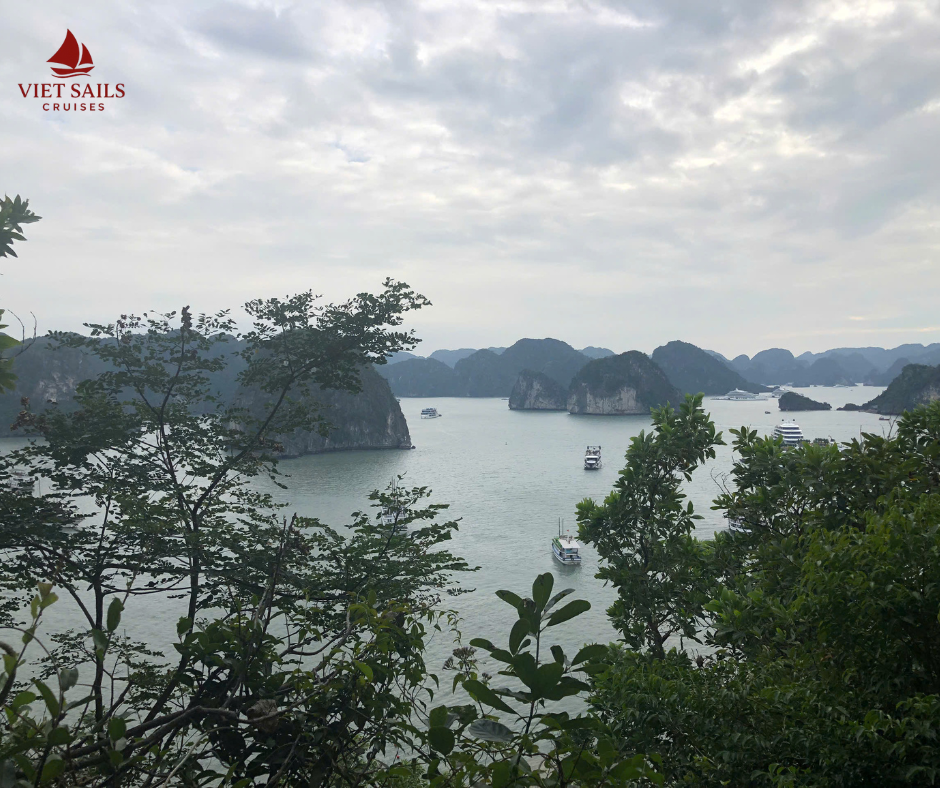
UNESCO inscribed Phong Nha – Ke Bang National Park as a World Natural Heritage Site in 2003. Subsequently, in 2015, the organization expanded its recognition to include additional ecological values. This national park is one of Asia’s oldest karst regions. Consequently, it holds exceptional scientific importance.
Phong Nha – Ke Bang is globally celebrated for:
Because of this, the park serves both as a scientific treasure and an adventure destination. Therefore, travelers seeking raw landscapes and profound geological wonders often consider this site a once-in-a-lifetime experience.

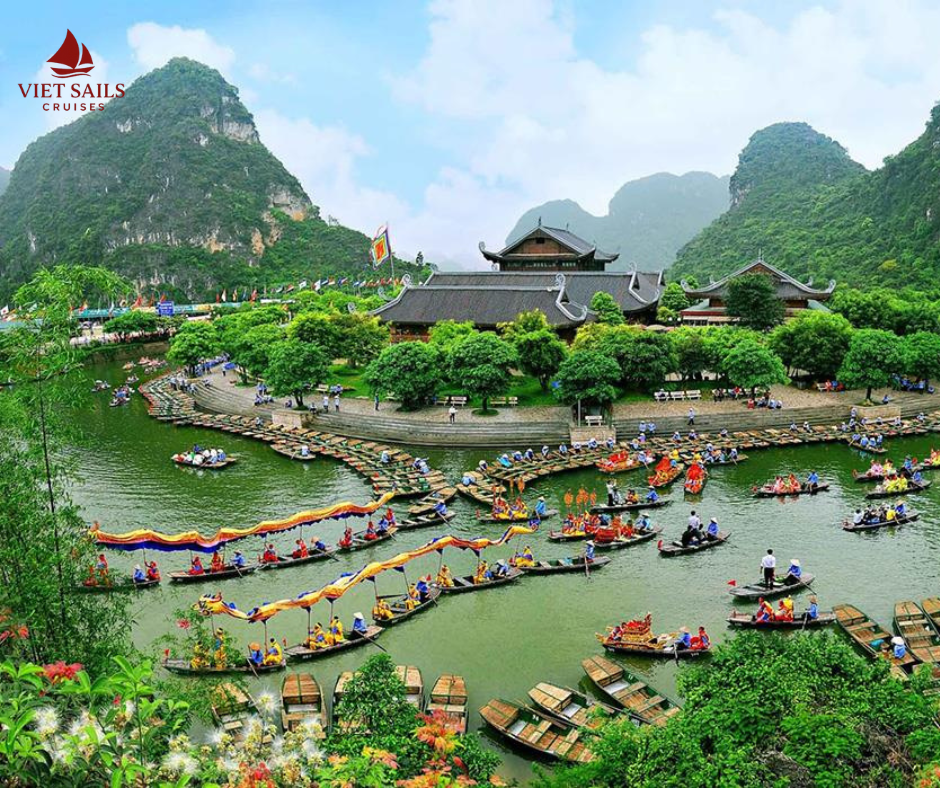
UNESCO recognized the Trang An Landscape Complex in 2014. Notably, Trang An is Vietnam’s first and only mixed heritage site. Specifically, it combines both natural and cultural significance.
The landscape features towering limestone karsts and flooded valleys. Unlike the dramatic scale of Ha Long Bay, Trang An captivates visitors through serenity. Here, nature and human history exist in delicate balance. Thus, it creates a peaceful and immersive travel experience for all visitors.
To enjoy these destinations responsibly, travelers should keep several important tips in mind:
By following these principles, visitors can help protect these natural treasures for future generations.

Vietnam’s UNESCO World Natural Heritage Sites represent far more than breathtaking landscapes. They serve as living testaments to the country’s biodiversity and enduring relationship between people and nature. Ultimately, exploring these destinations is not just about visiting famous landmarks. Instead, it is about choosing responsible travel and forming deeper connections with nature.
UNESCO World Natural Heritage Sites are best experienced from the water. From this perspective, limestone karsts rise quietly from the sea. Therefore, Viet Sail Boutique Cruise offers refined journeys through Ha Long Bay and Bai Tu Long Bay. Moreover, our itineraries focus on quieter areas, allowing guests to travel at a slower, more meaningful pace.
VIET SAILS CRUISES – ASIA PEARLS., JSC
Phone number: +84 906 272 467 | +84 908 828 166 (WhatsApp)
Email: info@asiapearljsc.com | info@vietsails.com
Website: https://vietsails.com/


